
NPCI processed 22.72 billion UPI transactions worth ₹28.92 lakh crore in June 2026 alone — roughly 757 million transactions a day — and most of that volume runs through infrastructure your engineering team can integrate in under a week.
UPI Ships Faster Than Any Card Stack You’ll Build
A card network integration drags your team through PCI compliance reviews, acquiring bank negotiations, and a settlement cycle that stretches into weeks. UPI collapses that timeline. NPCI’s API layer standardizes the intent-collect flow across every participating bank, so you write one integration and PhonePe, Google Pay, and Paytm users all transact through it — no separate deals per app. Those three apps alone move 87.93% of total volume, which means one integration reaches nearly the entire addressable market in a single build cycle.
Settlement lands same-day, often within minutes, instead of the T+2 or T+3 window cards force on you. For a Series A team burning runway on every sprint, that’s the difference between shipping a payments feature this quarter or handing it to a payments-ops hire you haven’t budgeted for yet. Founders building consumer or SMB products in India don’t choose UPI because it’s trendy — they choose it because the integration cost in engineering hours is a fraction of what card rails demand.
The Cost Math Beats Cards on Every Transaction

Cards charge merchant discount rates that typically run 1.5% to 3% per transaction, plus interchange fees that vary by issuer and network. UPI runs on a zero-MDR mandate for P2M transactions below ₹2,000 — the government eliminated merchant fees on the bulk of everyday transaction volume. That single policy decision reshaped unit economics for every consumer app operating in India.
Run the math on a Series A SaaS or marketplace business processing ₹1 crore in monthly transaction volume. At a 2% card MDR, that’s ₹2 lakh a month gone to payment processing. Route the same volume through UPI and, for transactions under the threshold, that cost disappears. Redirect it to CAC, retention, or extending runway by another quarter — the kind of decision that actually moves a Series A company toward its next round. UPI’s transaction value hit Rs 29.9 trillion in May 2026, and a large share of that volume carries no merchant fee at all.
Real Companies Already Proved the Model at Scale
Razorpay built its entire growth engine on UPI as the default checkout option for Indian merchants, and UPI acceptance now drives the majority of transaction volume flowing through the platform because customers default to it over cards. PhonePe processed 10,483.73 million UPI transactions in a single recent month and holds roughly 45% of total UPI volume — a position it built almost entirely on UPI rails rather than cards or wallets, proving the model scales past unicorn status into category leadership.
Cred took a different angle: it used UPI-linked bill payments and rent transactions to pull high-intent, high-credit users into a single app, then layered lending and rewards products on top of that transaction data. Neither company waited for card infrastructure to catch up. Both built on UPI first because the rail was already faster, cheaper, and more widely adopted than the alternative. If you’re a Series A founder weighing a build-vs-wait decision on payments infrastructure, that’s the precedent: the market leaders didn’t treat UPI as a secondary option, they treated it as the primary rail and built everything else around it.
Plan for the Real Constraints Before You Scale
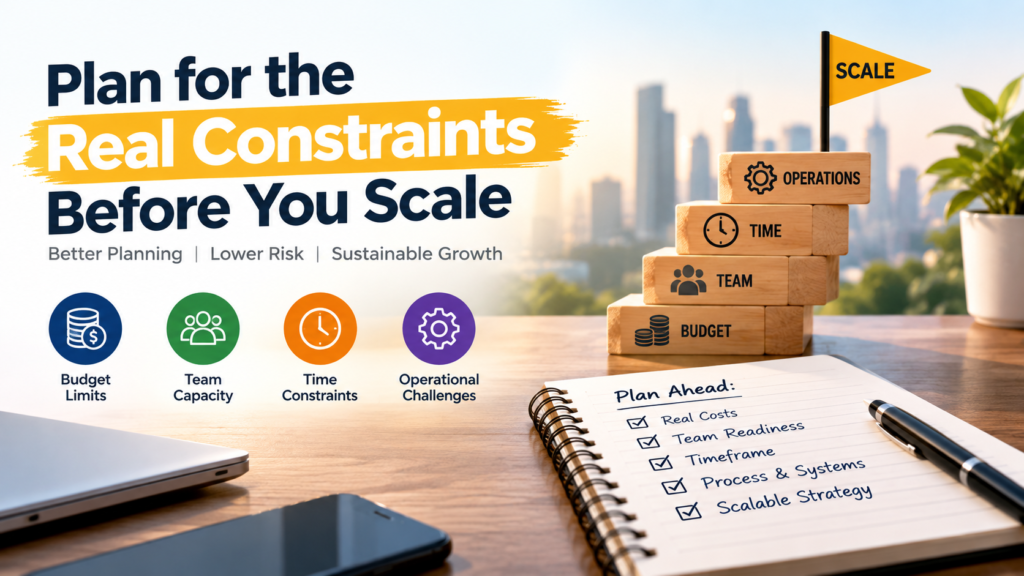
UPI isn’t frictionless, and a credible pitch to your board should account for that. NPCI caps most P2P and merchant transactions at ₹1 lakh per day, with select categories like IPOs and capital markets extending to ₹5 lakh — build your transaction flows around those ceilings now rather than discovering them in production. Fraud volume is rising alongside adoption: reported UPI fraud cases climbed to roughly 10.64 lakh incidents worth ₹805 crore in FY2025-26 through November, so budget for fraud detection tooling from day one instead of retrofitting it after your first incident.
NPCI also introduced a 30% market-share cap for any single UPI app, taking effect from late 2026, which signals the regulator is actively managing concentration risk in the ecosystem. That’s a signal worth reading, not a reason to avoid the rail — it means the infrastructure you’re building on has long-term regulatory attention rather than the kind of neglect that lets a payment system quietly decay. Build your integration with multiple PSP banks rather than a single point of failure, and treat the daily transaction limits as a design constraint you solve for at the schema level, not a surprise you patch later.
UPI now clears close to 85% of India’s retail digital payment volume and India alone accounts for roughly 49% of global real-time payment transactions — the rail isn’t a regional experiment, it’s the default. A Series A founder who treats UPI as core infrastructure rather than a nice-to-have integration builds faster, spends less on transaction fees, and ships a payments experience users already trust by default.
Written By sumitmarketing.com