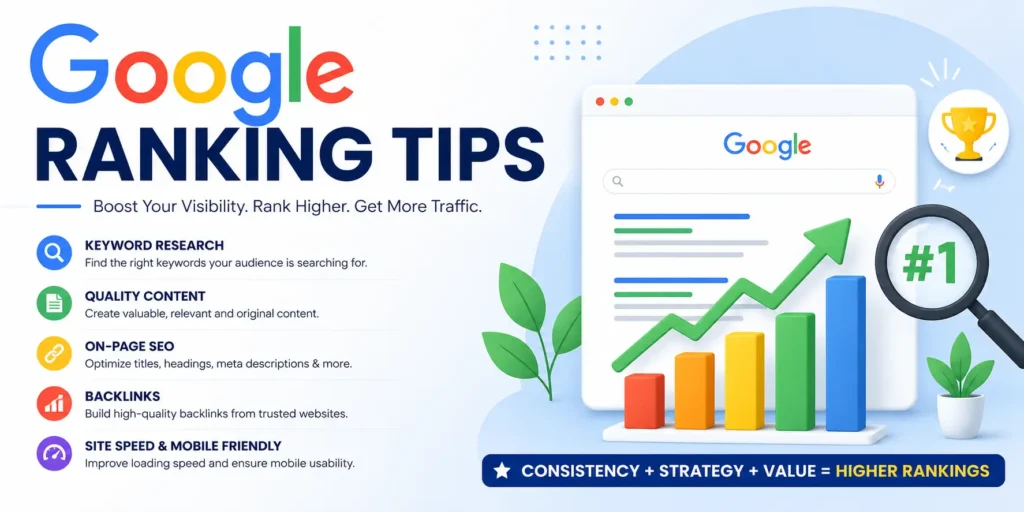
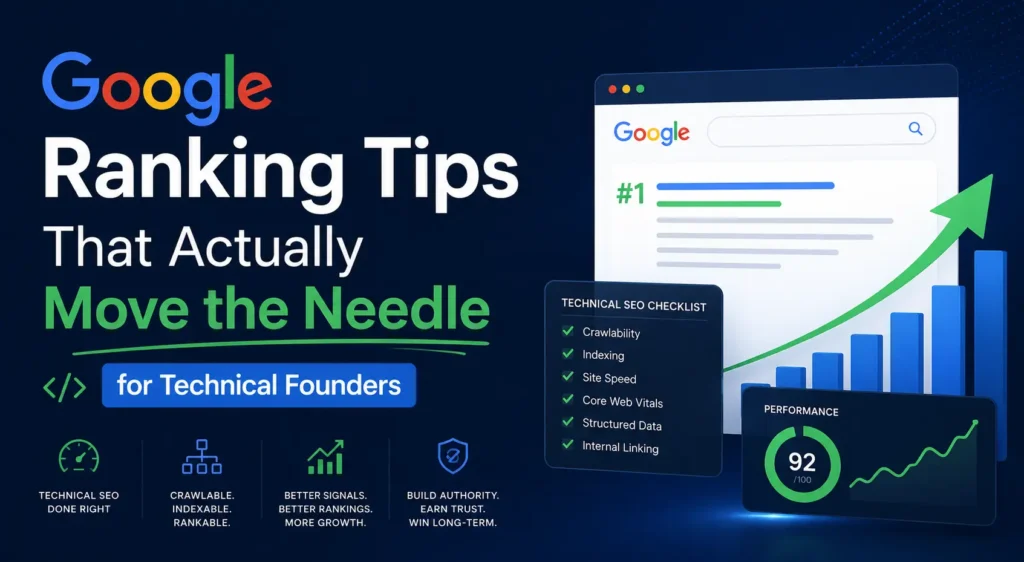
Most SEO advice wastes your time — here are the Googlerankingtips that compound your growth at Series A speed, with data behind every claim.
Google Ranking Tips Fix Your Core Web Vitals Before Touching Keywords
Google’s ranking algorithm bakes Core Web Vitals directly into page experience signals. Largest Contentful Paint (LCP), Interaction to Next Paint (INP), and Cumulative Layout Shift (CLS) are not vanity metrics — Google confirmed in its 2021 Page Experience rollout that sites failing these thresholds lose ranking positions to competitors who pass them, even with weaker backlink profiles.
The fastest Googlerankingtip a technical founder can act on: run your URL through PageSpeed Insights and target LCP under 2.5 seconds. For SaaS products where marketing pages sit on React or Next.js, the culprit almost always traces to unoptimized hero images or blocking JavaScript. Switching to next/image with priority loading on above-the-fold content drops LCP by 30–60% in a single deploy. Vercel published a case study showing that Loom cut their LCP from 4.1s to 1.9s after this change — organic traffic grew 12% over the following quarter with no content changes. Google Ranking Tips
INP replaced FID in March 2024. If your landing page fires heavy analytics scripts on interaction, you cap INP at 300ms+ and Google demotes the page. Defer non-critical scripts with async or defer. This single change costs one engineer two hours and removes a ranking ceiling.
CLS destroys both UX and rankings. Reserve explicit height and width for images, ads, and embeds. If your marketing team drops a Typeform or Intercom widget without dimension constraints, your CLS score spikes and Google notices within the next crawl cycle.
Earn Topical Authority, Not Just Backlinks
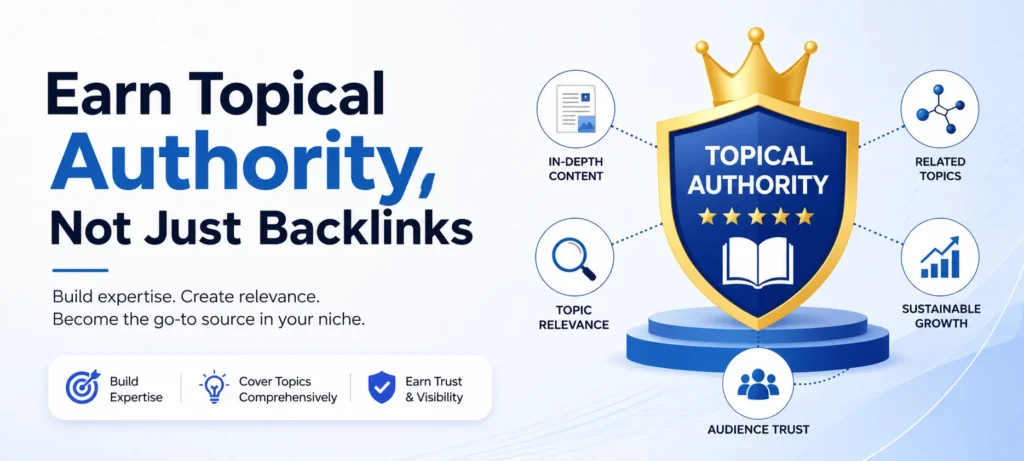
The Helpful Content Update (August 2022, refined through 2023 and 2024) shifted Google’s evaluation from “does this page have links?” to “does this site demonstrate deep expertise in a domain?” Google now rewards sites that cover a topic cluster comprehensively over sites that publish one strong page and stop.
Concrete Google ranking tips: map your content to a three-tier topic cluster model. Pick one pillar topic — say, “API security” — then build 8–12 supporting pages targeting specific subtopics: JWT authentication best practices, OAuth 2.0 scoping, rate limiting strategies. Internally link every supporting page back to the pillar and to each other. Semrush’s 2023 ranking factors study found that topical authority clusters outperformed isolated high-DA pages in 67% of competitive B2B SaaS niches.
Do not chase keywords without checking search intent first. Google classifies queries as informational, navigational, commercial, or transactional. A page optimized for “API security tools” (commercial intent) ranks poorly if you publish a 3,000-word educational guide — Google serves commercial pages for that query, and your content loses regardless of keyword density. Match format to intent: listicles for commercial, long-form tutorials for informational, landing pages for transactional.
For a Series A company, the ROI calculation matters. One well-researched pillar page targeting a 2,000–5,000 monthly search volume keyword with DR < 40 competitors generates qualified inbound leads for 18–36 months after publication. A single paid Google Ads click in the same niche costs $8–$22. The math favors content investment with a 6-month payback horizon.
Optimize for Google’s Featured Snippets and AI Overviews
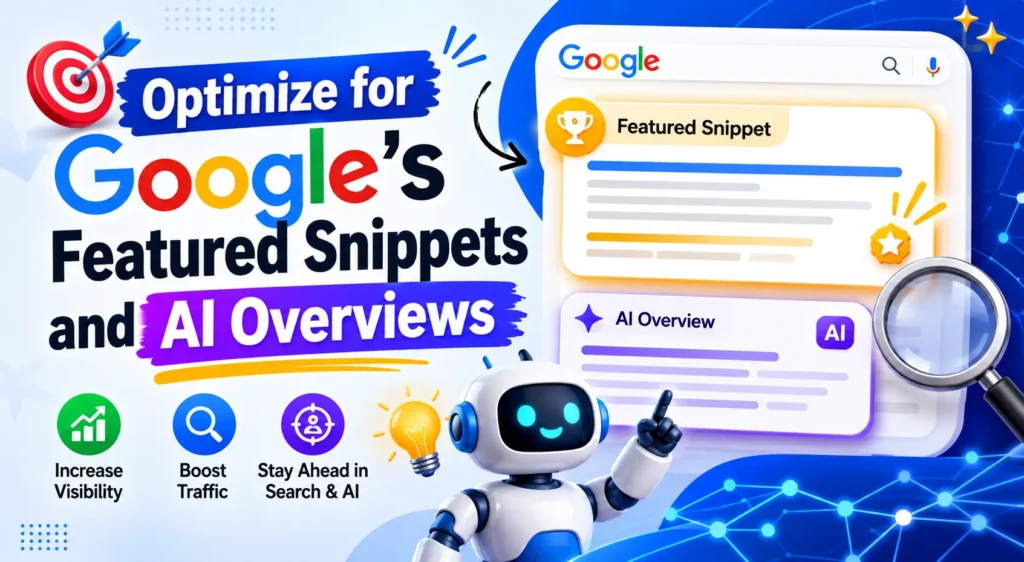
Featured snippets capture position zero — the slot above the first organic result. For technical founders, winning a featured snippet on a high-intent query can triple click-through rate without any change in ranking position. Google pulls featured snippets from pages already ranking in positions 1–10, so the prerequisite is ranking on page one first.
The most actionable Google ranking tip for featured snippet capture: structure your content with a direct answer in the first 40–60 words after an H2, then expand with supporting detail. Google’s snippet algorithm favors concise, question-answering paragraphs. If your target query starts with “how to,” “what is,” or “why does,” your opening paragraph after the heading should answer it completely before elaborating.
Google’s AI Overviews (rolled out broadly in 2024) now appear above featured snippets for many queries. Early data from BrightEdge showed that AI Overviews cited pages ranking in the top three organic positions 79% of the time, with a strong preference for pages with structured data markup (FAQ schema, HowTo schema, Article schema). Implement JSON-LD schema on every content page. It takes one engineer one afternoon and it signals structured, machine-readable authority to Google.
For technical content specifically, use code blocks with syntax highlighting and structured step-by-step formats. Google’s documentation team confirmed internally (via a leaked Google Search Quality Evaluator Guidelines update in 2023) that code-heavy pages with clear structure score higher on “meets needs” ratings, which feed directly into ranking decisions.
Build Backlinks Through Technical Assets, Not Outreach Spam
Most link-building advice targets content marketers. For technical founders, the highest-ROI Google ranking tip produces backlinks as a byproduct of product development: build free tools, open-source libraries, or benchmark datasets that your target audience links to naturally.
Google Ranking Tips Ahrefs analyzed 920 million pages and found that 94% of published content generates zero backlinks. The content that earns links has one of three properties: it solves a unique problem, it contains original data, or it provides a free utility. For a developer-focused product, an open API status checker, a free SSL certificate analyzer, or an open-source SDK earns links from documentation pages, Stack Overflow answers, and blog posts across your entire target vertical.
Competitor backlink analysis accelerates this process. Use Ahrefs or Semrush to pull your top competitor’s referring domains. Filter for DR 40–80 domains (high enough to matter, low enough to be approachable). Identify the content type that earned those links — often it reveals a gap your product fills better. Build that asset, then reach out to the linking domains with a factual pitch: “You linked to [competitor resource] — we built an updated version that covers X and Y. Here’s the link.”
Broken link building works at scale in technical verticals. Run a crawl of top-10 resource pages in your category. Dead links on pages that once pointed to documentation, tools, or tutorials represent an opening. Create a replacement resource, contact the webmaster with the broken link identified, and offer your version. This technique carries a 10–15% response rate in B2B technical niches — far above average cold outreach.
One warning: buying links, participating in private blog networks, or using AI to mass-produce thin content triggers Google’s manual spam review. Google Ranking Tips Search Central team increased manual actions by 45% in 2024 targeting AI-generated spam clusters. The penalty wipes your domain’s ranking authority and requires a formal reconsideration request to recover. The risk-adjusted return on black-hat tactics is negative for any company with a real business to protect.
Implement these Google ranking tips in the order listed — Core Web Vitals first because they unlock everything else, topical authority second because it compounds, featured snippets and schema third because they amplify existing rankings, and backlinks fourth because they scale what already works. Rank fast, rank right, and keep the traffic you earn.
Written By sumitmarketing.com